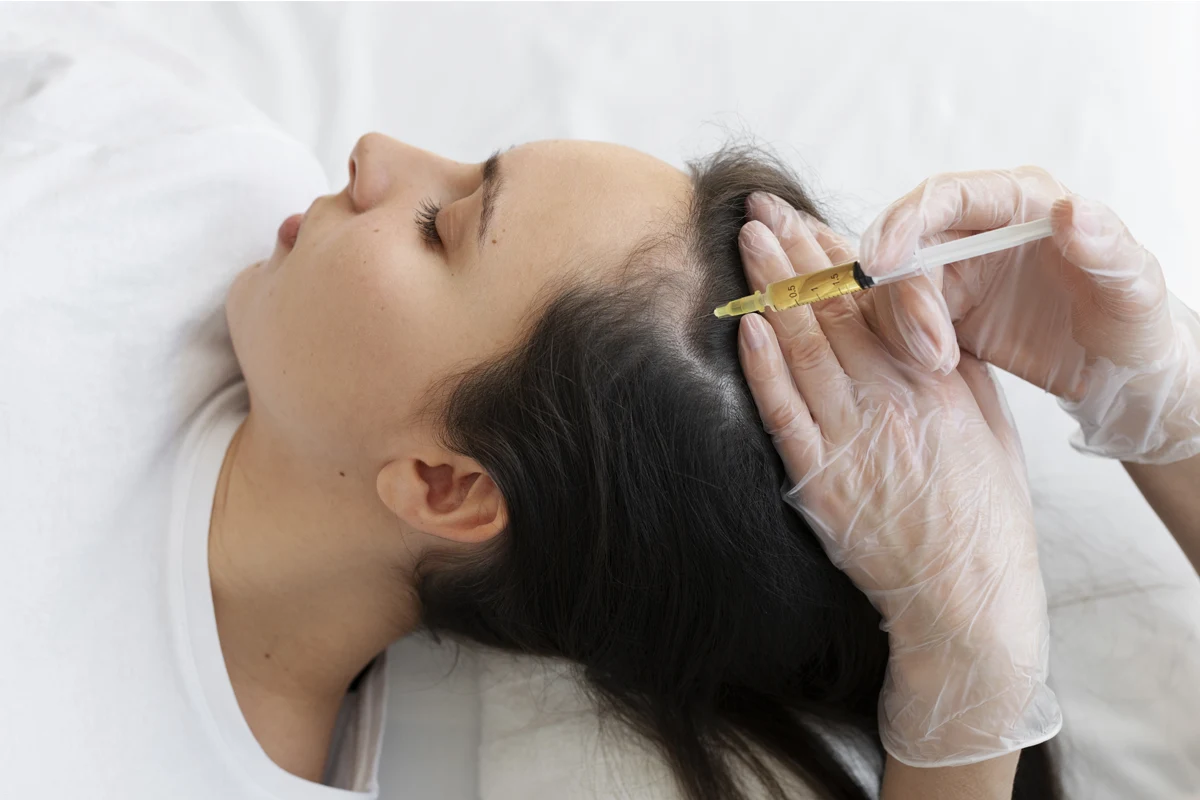
PRP Treatment in Dubai: A Complete Guide
Platelet-Rich Plasma (PRP) treatment has become a widely used approach in dermatology and aesthetic medicine for supporting skin vitality and hair health. At Dermaplus Clinic in Dubai, PRP therapy is offered as part of personalized treatment plans designed to enhance natural regeneration using the body’s own biological components.
This comprehensive guide explains what PRP treatment is, how it works, its common applications, benefits, procedure details, aftercare, and who may be suitable for this therapy. The goal is to provide clear and accurate information so patients can make informed decisions.
What Is PRP Treatment?
PRP stands for Platelet-Rich Plasma, a concentrated solution derived from a patient’s own blood. Platelets contain growth factors that play a role in tissue renewal, collagen stimulation, and cellular repair.
PRP therapy involves collecting a small blood sample, processing it to concentrate platelets, and administering the prepared plasma to targeted areas such as the scalp or skin. Because PRP is autologous (obtained from the same individual), it is commonly used in dermatology and aesthetic care.
How PRP Therapy Works
PRP treatment supports the body’s natural regenerative processes. Platelets release growth factors that help stimulate cellular activity in the treated area. These growth factors may assist with:
- Supporting collagen and elastin production
- Improving blood circulation
- Encouraging tissue renewal
- Enhancing scalp and skin quality
Results develop gradually, and improvement is often seen over weeks to months depending on individual response and treatment consistency.
Common Uses of PRP Treatment
PRP Treatment for Hair
PRP hair treatment is commonly used for individuals experiencing hair thinning or reduced hair density. The therapy supports scalp health and hair follicles and is often included in non-surgical hair care programs.
PRP for hair may be recommended for:
- Early to moderate hair thinning
- Hair density improvement
- Supporting existing hair follicles
PRP Treatment for Skin Rejuvenation
PRP facial treatment is used to improve skin texture, tone, and overall appearance. It supports collagen stimulation and skin renewal, making it suitable for individuals seeking natural skin enhancement.
Common skin concerns addressed include:
- Fine lines
- Uneven skin tone
- Dull or tired-looking skin
- Skin texture irregularities
PRP for Under-Eye Area
PRP therapy may be used to improve the appearance of the under-eye area by supporting skin quality and hydration, especially where signs of fatigue are visible.
PRP in Dermatology Care
In dermatology, PRP is sometimes used as a supportive treatment to enhance skin vitality and complement other medical or aesthetic procedures.
PRP Treatment Procedure at Dermaplus Clinic
PRP therapy is performed under professional supervision and typically follows these steps:
1. Consultation and Evaluation
A detailed consultation is conducted to assess skin or hair concerns, medical history, and suitability for PRP therapy. Treatment goals are discussed clearly.
2. Blood Collection
A small amount of blood is drawn from the patient, similar to a routine laboratory test.
3. Centrifuge Processing
The blood sample is placed in a centrifuge to separate platelet-rich plasma from other components.
4. PRP Administration
The prepared PRP is administered to the targeted area using appropriate medical techniques.
5. Post-Treatment Guidance
Aftercare instructions are provided to support optimal results and comfort.
Benefits of PRP Treatment
PRP therapy offers several potential advantages when included in a professionally guided care plan:
- Uses the body’s own biological material
- Supports natural skin and hair regeneration
- Minimal downtime compared to surgical options
- Can be combined with other dermatology or aesthetic treatments
- Gradual, natural-looking improvement
Individual results vary depending on age, condition, and treatment consistency.
How Many PRP Sessions Are Needed?
The number of PRP sessions depends on the treatment area and individual goals.
- Hair PRP: Often recommended as a series of sessions spaced several weeks apart
- Skin PRP: May be performed as multiple sessions for progressive improvement
Your dermatologist or aesthetic doctor at Dermaplus Clinic will recommend a personalized schedule after assessment.
PRP Aftercare and Recovery
PRP treatment generally involves minimal recovery time. Patients may be advised to:
- Avoid intense exercise for a short period
- Avoid excessive sun exposure immediately after treatment
- Follow recommended skincare or scalp care instructions
- Avoid applying non-prescribed products for a specified time
Following professional aftercare guidance helps support the treatment process.
Who Is Suitable for PRP Treatment?
PRP therapy may be suitable for individuals who:
- Prefer non-surgical treatment options
- Have mild to moderate hair or skin concerns
- Are in good general health
- Have realistic expectations
A consultation is essential to determine suitability, as PRP may not be recommended in certain medical conditions.
PRP Treatment in Dubai at Dermaplus Clinic
At Dermaplus Clinic, PRP treatment is provided as part of comprehensive dermatology, aesthetic, and dental services. Each treatment plan is customized based on individual assessment, ensuring a professional and patient-focused approach.
The clinic emphasizes:
- Personalized consultations
- Evidence-based treatment planning
- Transparent communication
- High standards of clinical care
Final Thoughts
PRP treatment is a versatile option in dermatology and aesthetic medicine, offering natural support for skin and hair health. When performed by qualified professionals, PRP therapy can be a valuable addition to personalized care plans.
If you are considering PRP treatment in Dubai, scheduling a consultation at Dermaplus Clinic is the first step toward understanding whether this therapy aligns with your goals.
